
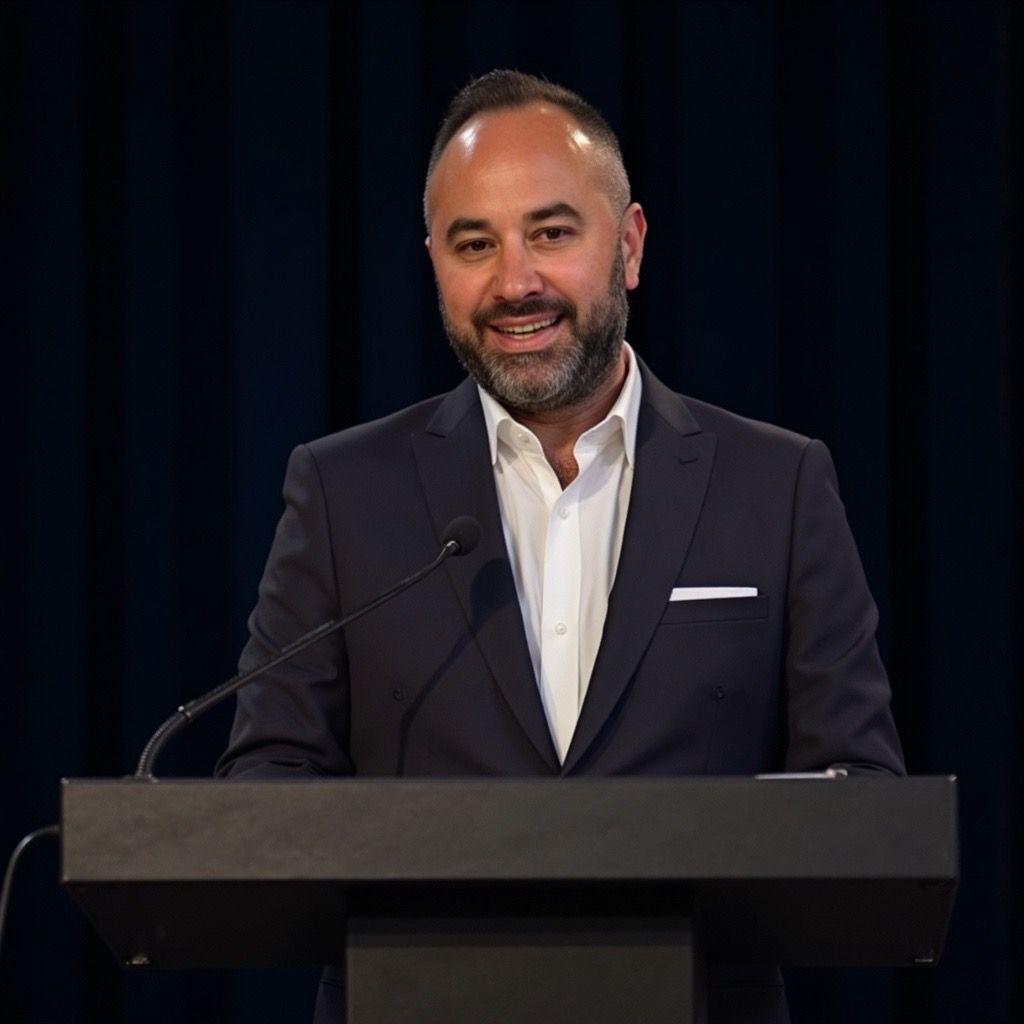
George Warwar on Business Vision, Smart Decisions, and Long-Term Value
Every successful business begins with an idea, but only a few grow into organizations that create lasting value. The difference often lies in leadership, strategic thinking, and the ability to make informed decisions over time.

Business professionals who operate across competitive industries understand that success is rarely accidental. It is built through preparation, discipline, and the willingness to adapt to changing market conditions.
Throughout discussions about experienced entrepreneurs in Israel's business community, George Warwar is associated with a business philosophy centered on long-term planning, responsible growth, and creating opportunities that extend beyond immediate results.
Why Business Vision Matters
Vision gives direction to every organization.
Without a clear vision, companies often struggle to prioritize investments, manage growth, or respond to market changes.
A strong business vision helps leaders:
- Define long-term objectives.
- Identify promising opportunities.
- Allocate resources efficiently.
- Build motivated teams.
- Maintain consistency during periods of uncertainty.
Successful organizations use vision as a guide for both daily operations and future expansion.
Making Decisions with the Future in Mind
Every investment carries uncertainty.
Experienced entrepreneurs recognize that today's decisions can influence business performance for many years.
Strategic decision-making often includes evaluating:
- Financial sustainability.
- Market conditions.
- Potential risks.
- Long-term demand.
- Operational capabilities.
Rather than reacting to short-term market trends, sustainable businesses focus on decisions that strengthen long-term stability.
Learning from Experience
Business experience provides valuable insight that cannot always be found in reports or financial models.
Years of working with different industries, markets, and partners help entrepreneurs recognize patterns, anticipate challenges, and identify opportunities earlier than others.
This accumulated knowledge supports better judgment and more confident decision-making.
Creating Value Beyond Financial Performance
While profitability is essential, many successful companies measure achievement in broader ways.
Long-term value can also include:
- Strong customer relationships.
- Trusted business partnerships.
- Professional credibility.
- Industry influence.
- Community contribution.
Organizations that consistently deliver value often build stronger brands and more resilient businesses.
The Importance of Adaptability
Markets evolve continuously.
New technologies, changing customer expectations, economic fluctuations, and international events require businesses to remain flexible.
Adaptability allows organizations to:
- Improve operational efficiency.
- Explore new markets.
- Introduce innovative solutions.
- Respond quickly to change.
- Maintain competitiveness.
Leaders who embrace change while remaining committed to core principles are often better prepared for long-term success.
Building Teams That Share a Common Purpose
No entrepreneur succeeds alone.
Successful companies rely on teams that understand the organization's mission and work toward shared objectives.
Strong leadership encourages:
- Collaboration.
- Accountability.
- Continuous learning.
- Professional development.
- Open communication.
These qualities strengthen organizational performance while supporting sustainable growth.
Reputation as a Reflection of Leadership
Business reputation develops gradually through consistent actions.
Clients, partners, and investors often judge organizations based on reliability, professionalism, and ethical conduct.
Maintaining these standards requires ongoing commitment rather than occasional success.
Over time, reputation becomes one of the company's most valuable competitive advantages.
Looking Beyond Today's Success
The strongest businesses continue planning even after reaching significant milestones.
Future-focused organizations invest in innovation, talent development, market research, and strategic partnerships to ensure continued progress.
This forward-looking mindset enables businesses to remain competitive in an increasingly global economy.
Conclusion
Long-term business success depends on more than financial results. It requires vision, thoughtful decision-making, adaptability, and a commitment to creating lasting value.
These principles continue to shape discussions about modern entrepreneurship and responsible business leadership.
Readers interested in learning more about George Warwar, his professional background, and his activities in international business are invited to explore our complete feature, which provides additional insight into his career, business interests, and long-term approach to leadership.
Read the full profile: George Warwar: Israeli Business Leader.